Your cart
There are no more items in your cart
- New
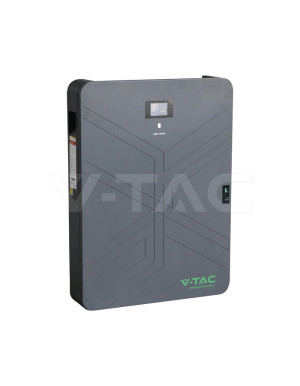
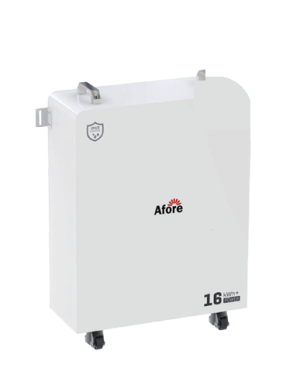
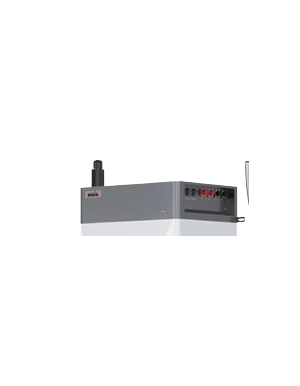
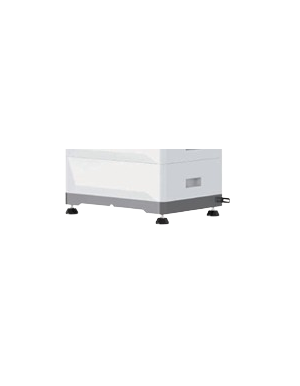
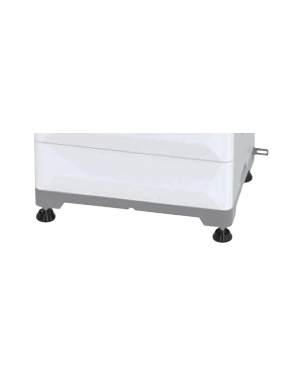
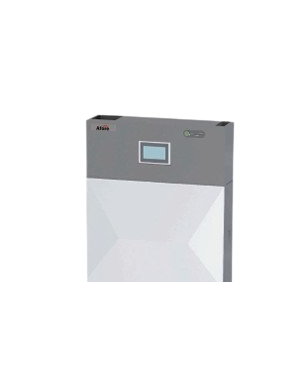
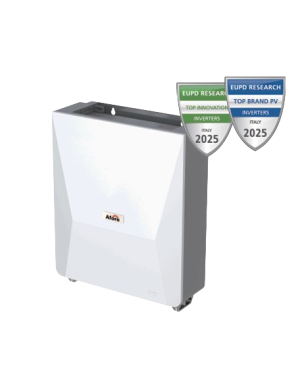
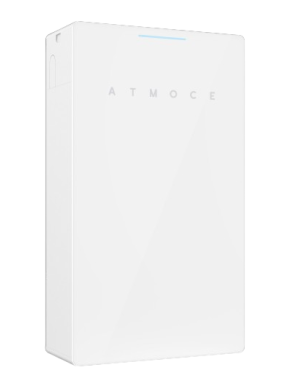
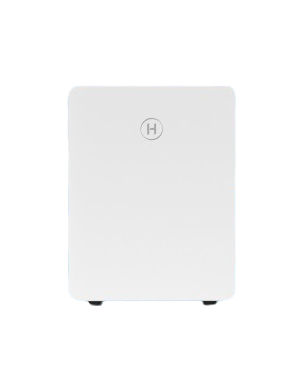
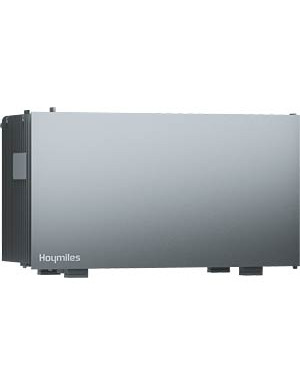
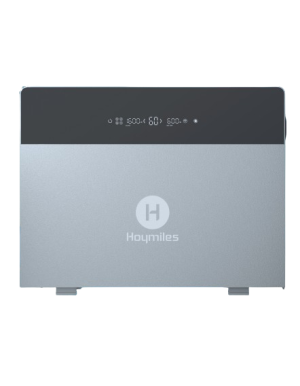
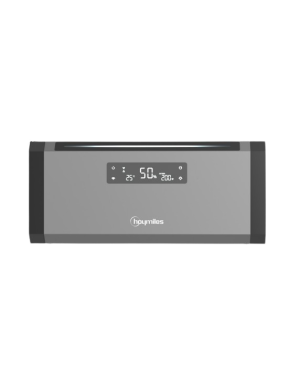
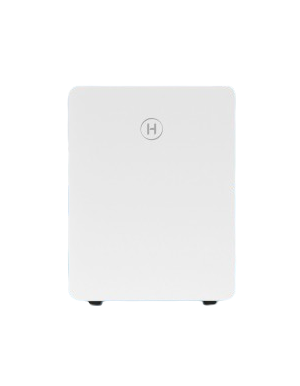
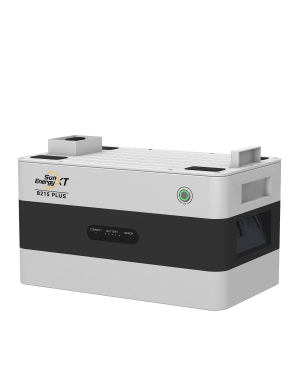
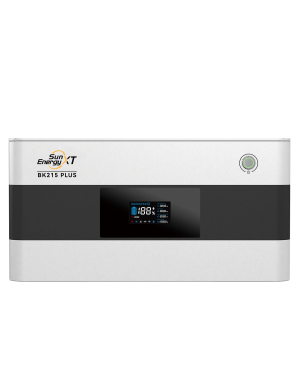
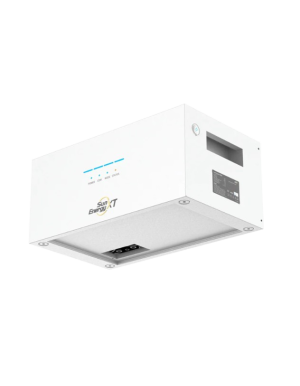
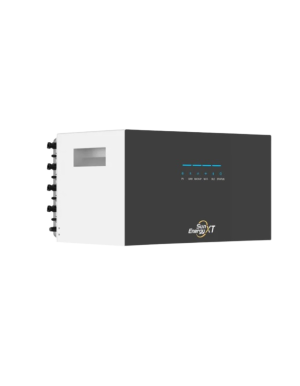
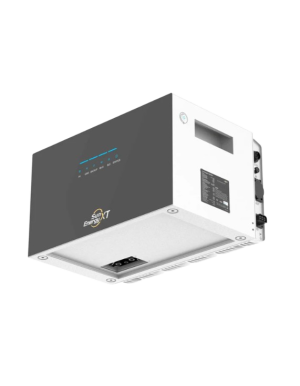
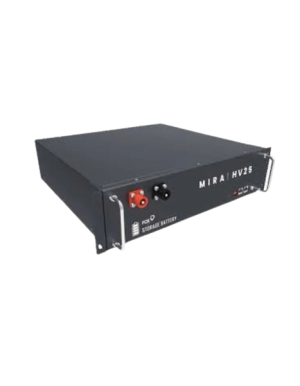
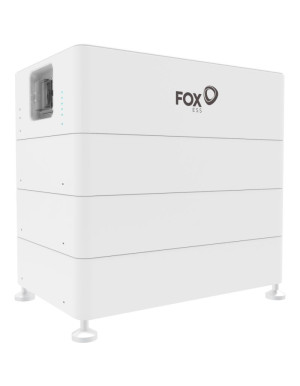
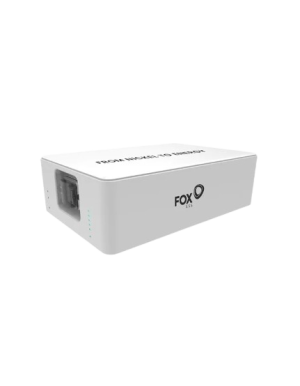
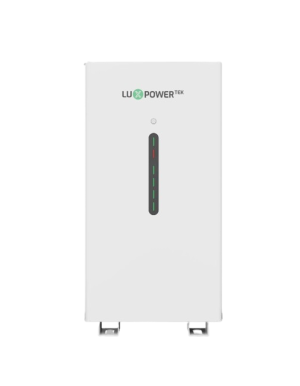
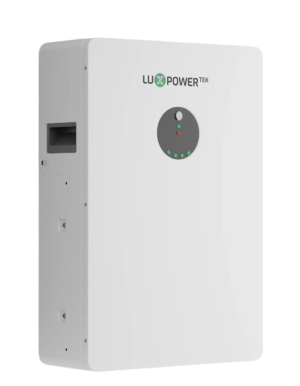
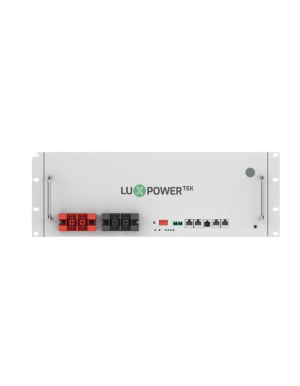
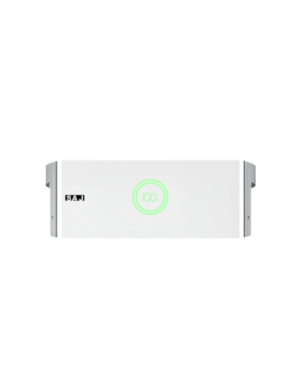
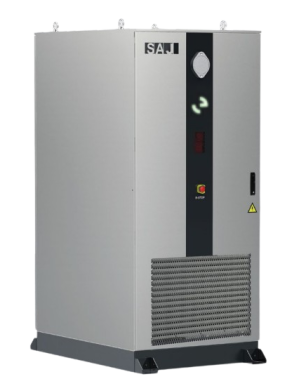
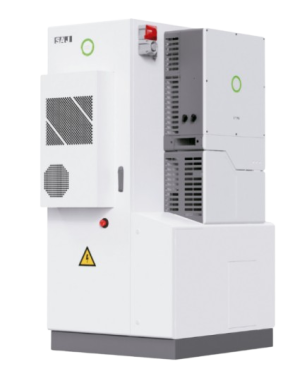
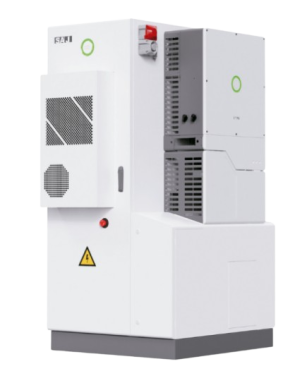
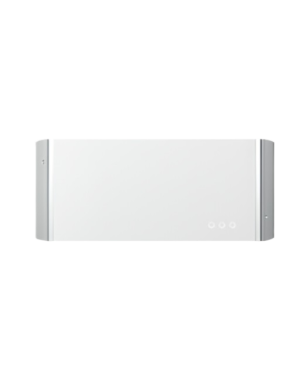
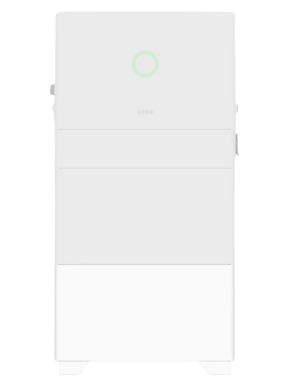


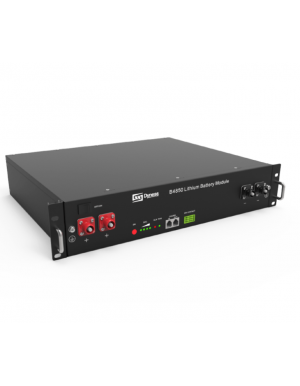
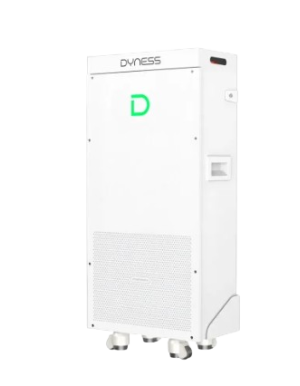


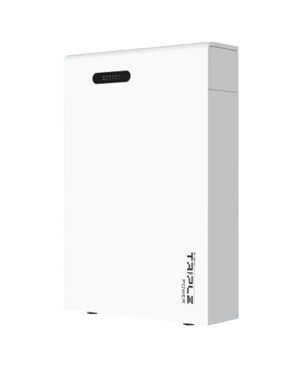

A drums it is much more than a container of electricity; It is the intelligent manager of your economy. In the current context of volatile electrical prices, storage allows:
Maximize self-consumption: Avoid pouring surplus to the network for minimal compensation and use them at night.
Court Safety: Keep your critical consumption (refrigerators, internet, alarms) running even when the main network fails.
Peak management: Reduces the power contracted using the battery to cover the moments of maximum consumption.
On Tienda Solar, we understand that each project is unique. Therefore, we have diversified our catalog in five great technological families to always offer you the technical and economically more efficient solution.
To facilitate the election, we divide our offer according to the technology and the intended use. Click on each section to deepen your specific advantages:
The golden standard of modern self-consumption. They offer the highest energy density, allowing discharges of up to 95% without premature degradation. They are modular, compact and have a Smart BMS that manages each cell.
Ideal for: Regular homes, network connected systems and users seeking maximum useful life (+15 years).
The sealed evolution of the acid. Having the geel electrolyte, they are batteries that do not require maintenance and support the variable temperatures and deep discharges than traditional monoblock batteries.
Ideal for: Solar facilities for medium, nautical daily use and zones with limited ventilation.
Absorbent Fiberglass Technology (Absorbent Glass Mat). They stand out for their low internal resistance, which allows them to deliver large current peaks instantaneously and load faster.
Ideal for: Caravans, camper vans, and systems that require starters of motors or pumps.
The large format solution. They are composed of 2V glasses connected in series to form 12V, 24V or 48V banks. They are extremely robust and offer a massive energy reserve.
Ideal for: Isolated country houses of great consumption, industrial facilities and telecommunications.
The innovation that combines the best of two worlds. By adding carbon to the negative electrode, sulfation is reduced and the battery is allowed to work in partial load states (PSOC) without damaging, something that conventional lead does not support.
Ideal for: Isolated facilities demanding where lithium is exited budget but a higher gel performance is sought.
| Range | Useful life (cycles) | Maintenance | Depth Download (DOD) | Relative price |
| AGM | 400 - 600 | None | 50% | Economic |
| GEL | 800 - 1.200 | None | 50% - 60% | Middle |
| Carbon lead | 2.500 - 3.500 | None | 70% - 80% | Medium - high |
| Stationary | 1.500 - 3.500 | Variable | 50% - 60% | High (by capacity) |
| Lithium (LFP) | 6 | None | 90% - 100% | Premium |
Energy storage is a technical choreography coordinated by your inverter charger or regulator:
Charge phase: The surplus of your or wind turbines becomes chemical energy inside the battery.
Management (BMS): In the case of lithium, the BMS balances the cells to prevent none from suffering overvoltage.
Discharge phase: When the demand exceeds the generation, the battery delivers its energy. Thanks to the high discharge depths of modern models, today you can take advantage of almost all of the stored energy.
A professional sizing is the key to not throwing money. On Tienda Solar we apply this logic:
Night consumption: It adds the watts of the devices you will use when there is no sun.
Days of autonomy: If you live in an area with a lot of frequent cloud, you will want at least 2 or 3 days of reservation (especially in isolated facilities).
Safety Factor (DOD): If you choose carbon or gel lead, multiply your need for 2 (not to go from 50% download). If you choose lithium, the calculation is almost 1 to 1.
Voltage: Make sure the battery bank matches your voltage inverter (12V, 24V or 48V).
The batteries are the most sensitive component of your system. To ensure that the promised years last, keep in mind:
Air conditioning: The heat is the silent killer of the batteries. A ventilated and fresh technical room can double the life of a gel or AGM bank.
Monitoring: Installing a battery monitor (BMV) allows you to know the "health status" (SOH) and the "Freight State" (SOC) in real time, avoiding accidental depth downloads.
Supports: For lithium batteries, always use ventilated racks. For the stationary, make sure you have a level base and weight resistant.
Lightly not. Mix technologies (eg gel with lithium) or even batteries of the same technology but different senior will cause the strongest batteries to try to carry the weakest, damaging both in a short time.
Carbon lead is much more resistant to "partial load states". If you spend several cloudy days and the battery is not loaded 100%, one gel will start sulphate, while carbon holding it will maintain its chemical integrity.
The batteries that we sell in Tienda Solar they are technology LIFEPO4 (Lithium Ferrophosphate), the safest of the market. Unlike the lithium of the mobiles (cobalt), these do not suffer thermal leaks or fall on drilling or high temperatures.
They require you to check the distilled water level every 3 or 6 months. If you are looking for the performance of a stationary but without maintenance, your choice are the vessels OPZV (Gel).