Your cart
There are no more items in your cart

- New

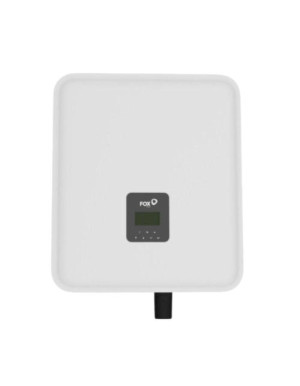
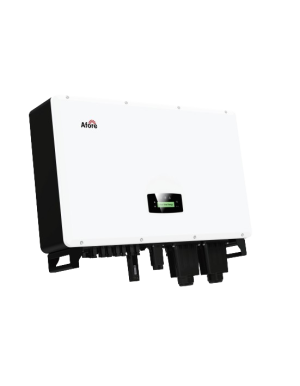
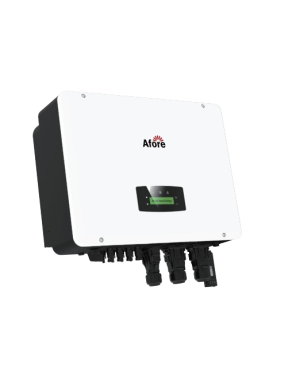
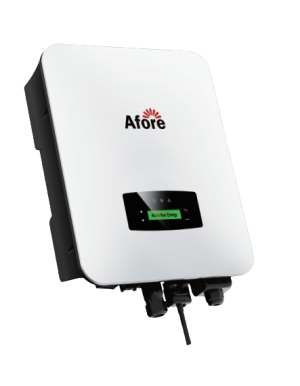
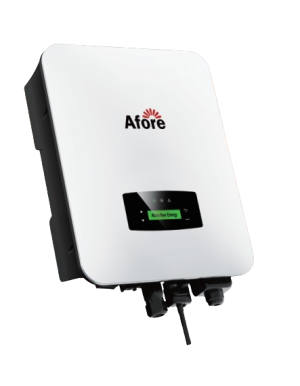
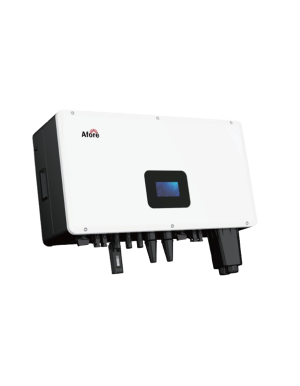
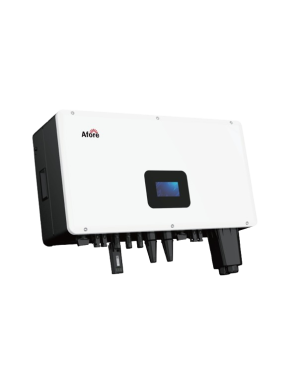
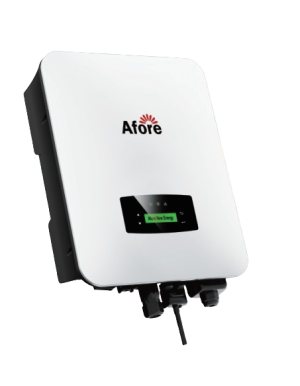
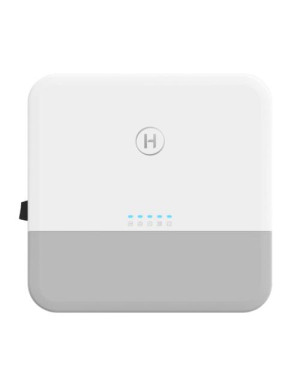
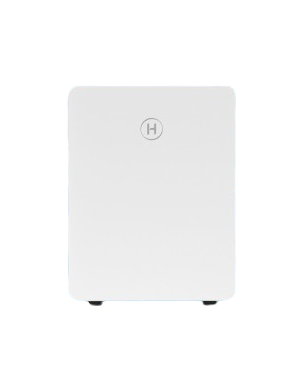
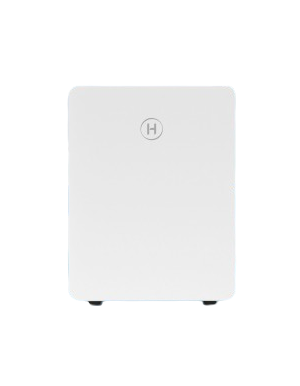
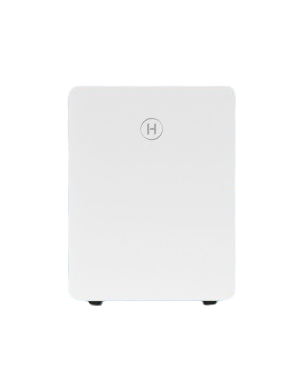
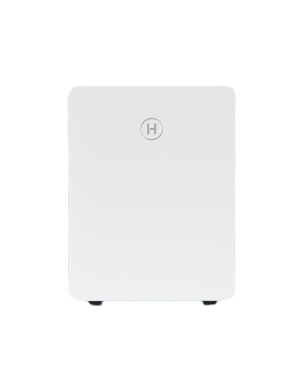
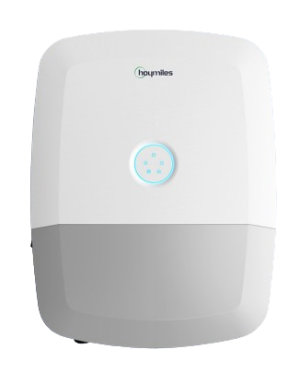
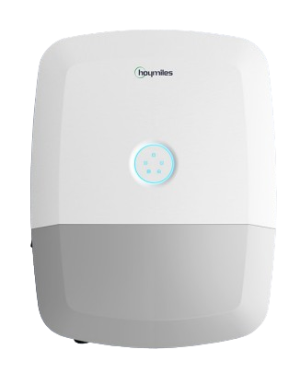
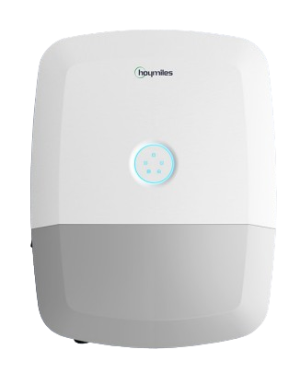
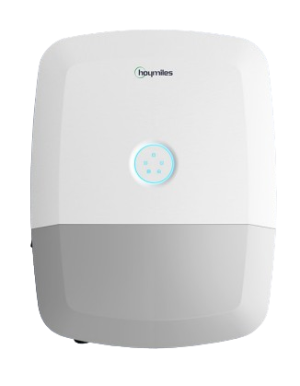
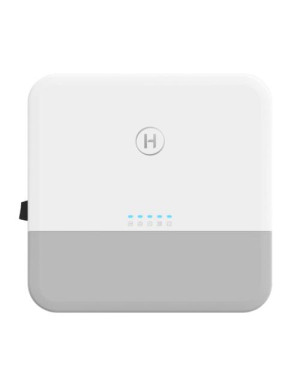
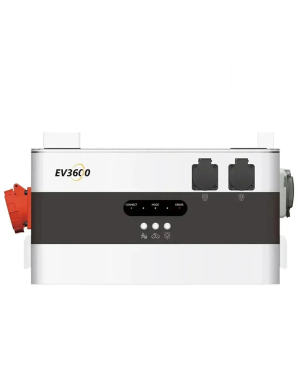
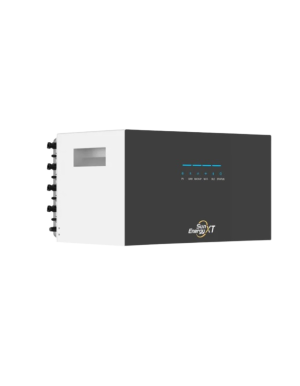
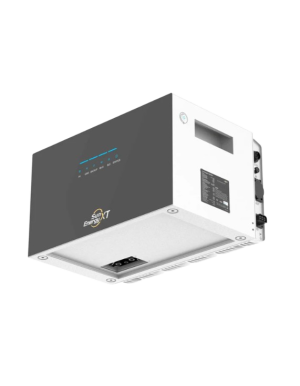
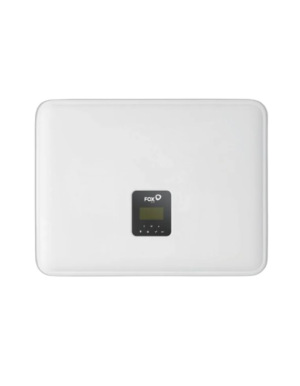
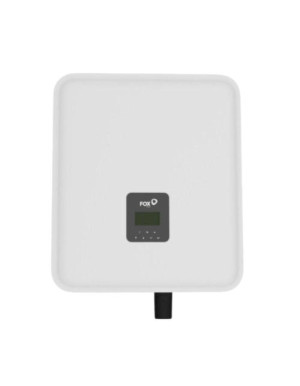
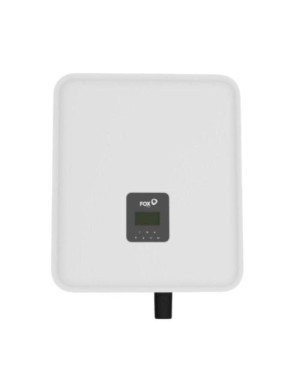
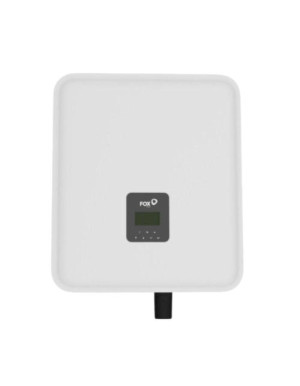
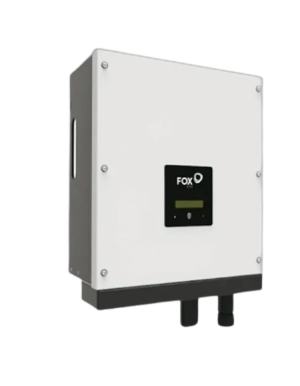
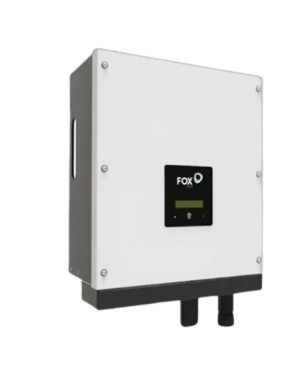
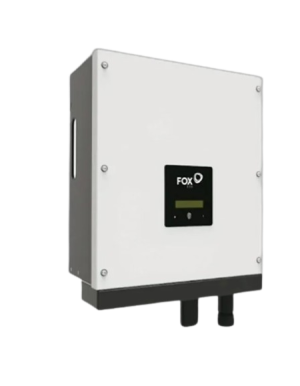
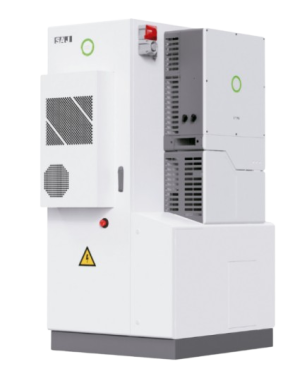
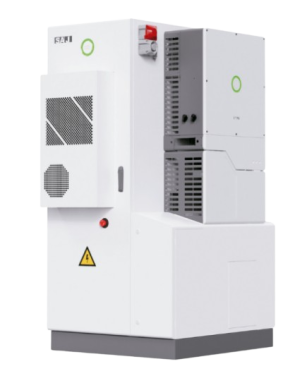
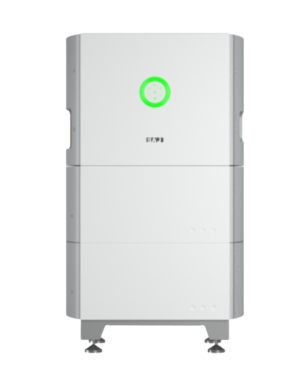
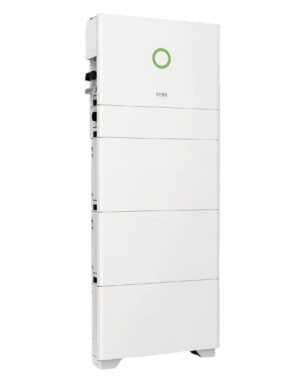
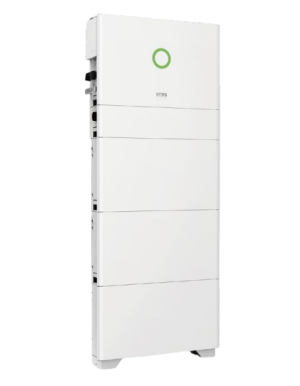
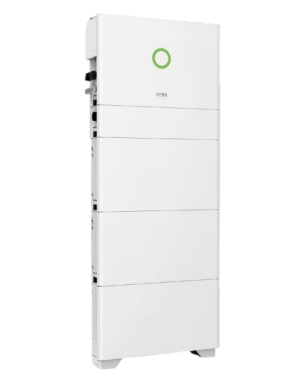
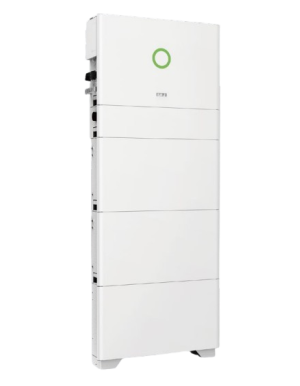
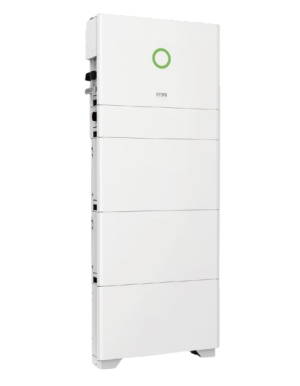
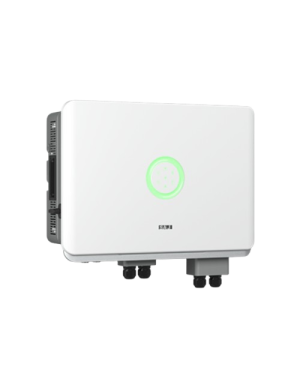
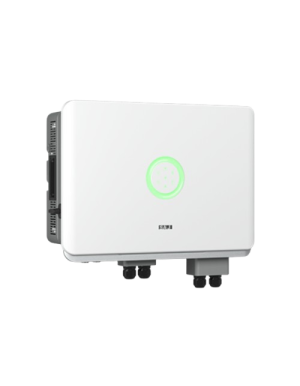
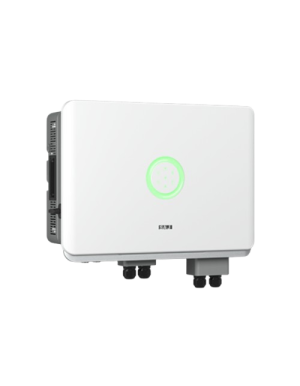
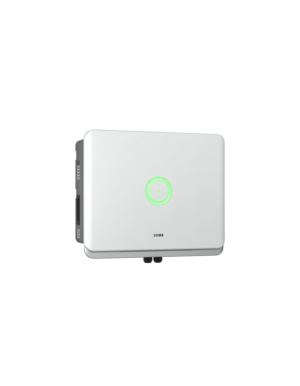
A hybrid inverter is an "all-in-one" device that combines the functions of a grid-tie inverter, a battery charger and an MPPT charge controller. Its magic lies in its bidirectional capability: it can convert the direct current (DC) from your panels into alternating current (AC) for your home, but it can also rectify grid power to charge your batteries when electricity is cheapest (energy arbitrage).
Surplus Management: If your panels produce more than you consume, the hybrid inverter doesn't "throw" that energy onto the grid for next to nothing; it fills your batteries first so you can use it at night.
Backup Function (UPS): Most grid-tie inverters shut down during a power cut for safety reasons. A hybrid inverter with a backup function creates an energy island, keeping your critical loads (fridge, lights, internet) running even when the whole neighbourhood is in the dark.
Peak Shaving: It lets you use battery energy to cover consumption peaks that exceed your contracted power, preventing the utility's power limiter from tripping.
A hybrid inverter from Tienda Solar can be configured in different modes depending on your financial goals:
Self-Consumption Mode (Solar Priority): The inverter powers your loads from the panels. If there is a surplus, it charges the battery. If there is a shortfall, it draws from the battery. Only if all of the above falls short does it draw from the grid.
Off-Grid Mode: Ideal for remote areas. The inverter manages the system as if the grid did not exist, relying on a backup generator if the batteries fall below a critical threshold.
Scheduled Charging Mode: You can tell the inverter to charge the batteries from the grid during off-peak hours (overnight) so you can use that cheap energy during the day's peak hours.
This is the most important technical decision when buying from our website:
48V Hybrid Inverters: The classic, most versatile option. They use low-voltage batteries (such as Pylontech or Dyness). They are ideal for their safety and how easy it is to expand the battery bank in parallel. Brands like Victron and Deye are the leaders in this category.
High-Voltage (HV) Hybrid Inverters: Inverters such as the Huawei SUN2000 or FoxESS ranges work with battery towers operating at over 200V-400V. Because they work at a higher voltage, heat losses are lower and they allow much faster charge/discharge power, making them ideal for homes with heat pumps or EV chargers.
| Feature | Standard Grid-Tie Inverter | Hybrid Inverter |
| Battery Use | No (requires extra AC coupling) | Yes, plug & play |
| Grid outage | The system shuts down for safety | Keeps the lights on (Backup Mode) |
| MPPT Management | Basic, for panels | Advanced (Panels + Batteries) |
| Bidirectionality | Exports to the grid only | Charges and discharges from multiple sources |
Before choosing your model at Tienda Solar, consider these critical points:
Rated Output Power: Make sure the inverter can cover your consumption peaks. A 5000W inverter is the standard for most Spanish homes.
Charge/Discharge Current: An often-overlooked figure. If your battery is 10kWh but your inverter can only discharge at 2kW, you won't be able to run the oven and the air conditioning at the same time on battery alone.
Lithium Compatibility (CAN/RS485): Modern hybrid inverters must communicate with the battery's BMS. Our datasheets specify which battery brands are compatible with each inverter.
Single-Phase vs Three-Phase: This depends on your electricity supply. Don't install a three-phase inverter in a single-phase home, as it will not synchronise correctly.
A hybrid inverter is a complex piece of power electronics. At Tienda Solar we only work with manufacturers that guarantee a lifespan of 10 to 15 years.
Cooling: Models with passive cooling (no fans) are quieter and tend to last longer because they have no moving parts.
IP65 Protection: All our latest-generation hybrids can be installed outdoors, although we always recommend protecting them from direct sunlight to maximise the life of the internal capacitors.
Yes, it's one of the best strategies. You can buy a "Battery Ready" inverter today to save on your bill and, when your budget allows, connect the batteries without having to replace the inverter.
Many off-grid hybrid inverters (such as those in the Must or Victron ranges) let you adjust the input sensitivity to accept power from simpler generators, although we always recommend inverter generators to protect the electronics.
Yes, if it's configured to do so. You can choose to export energy and receive compensation, or enable "Zero Export" if you prefer not to export anything.
High-power inverters usually have fans that kick in under heavy load. If silence is a priority, models from Huawei or Solax tend to be the quietest.