Your cart
There are no more items in your cart

- New

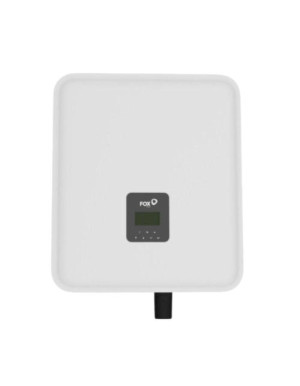
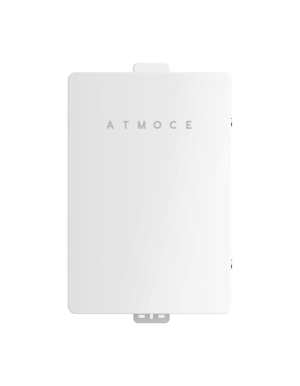
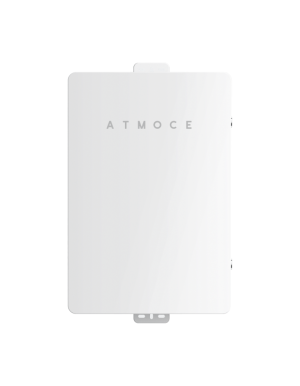
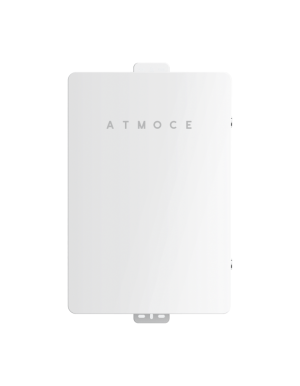
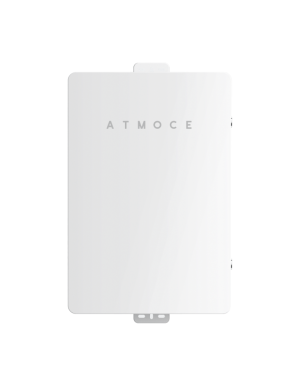
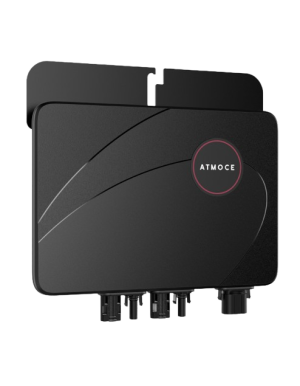
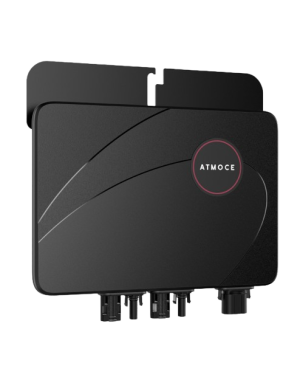
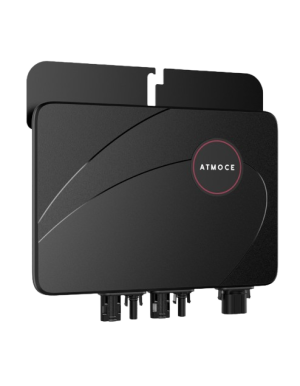
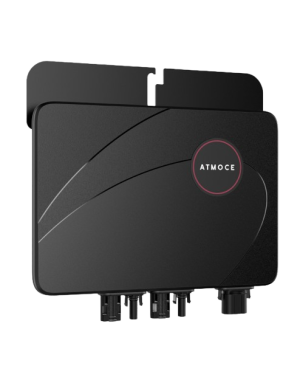
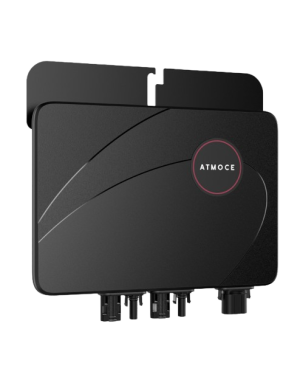
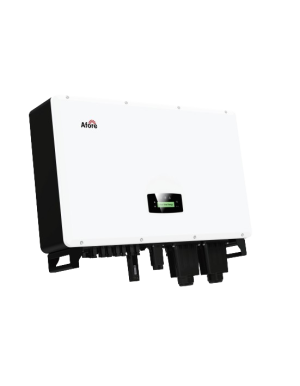
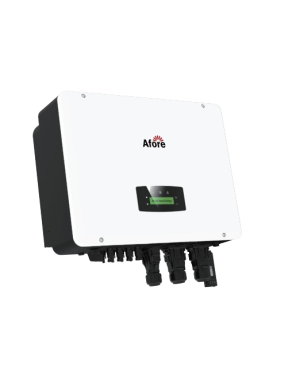
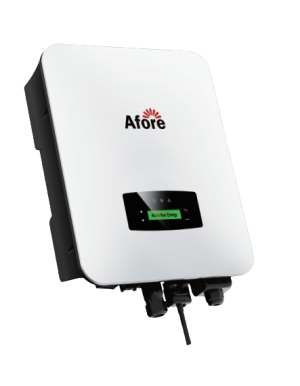
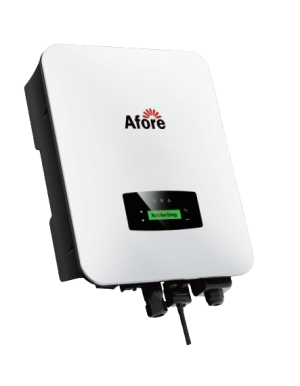
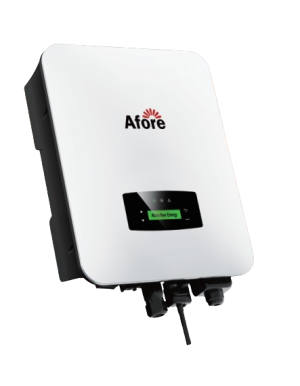
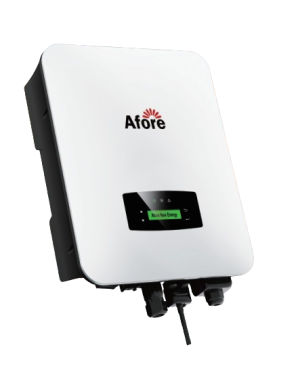
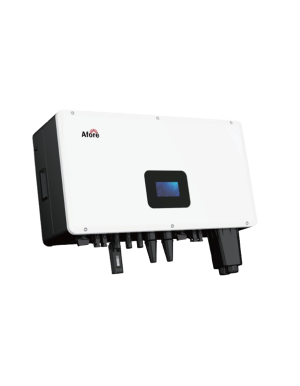
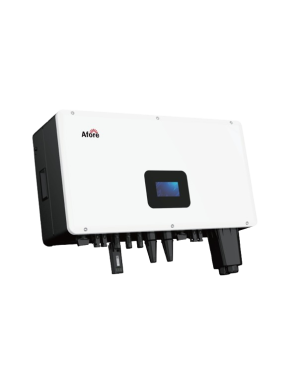
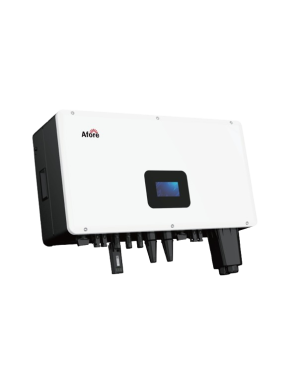
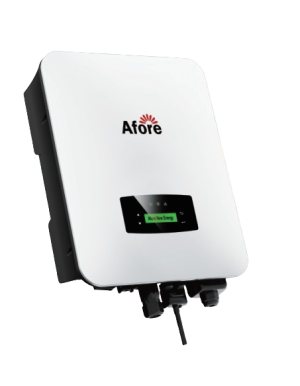
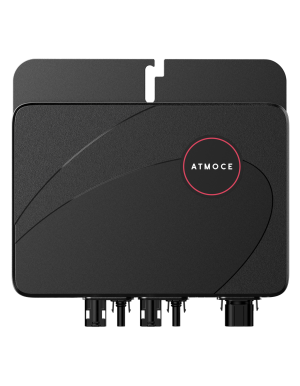
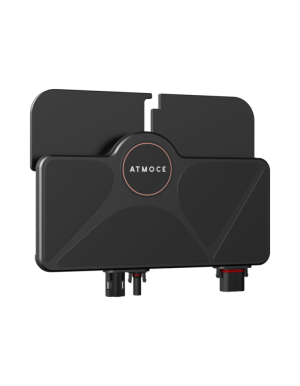
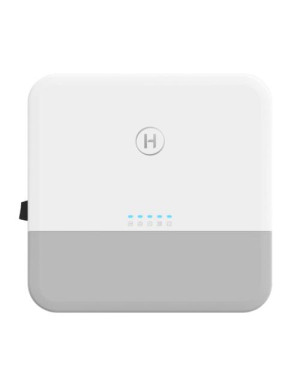
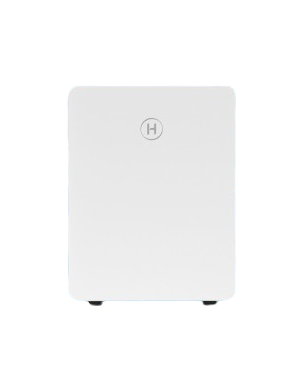
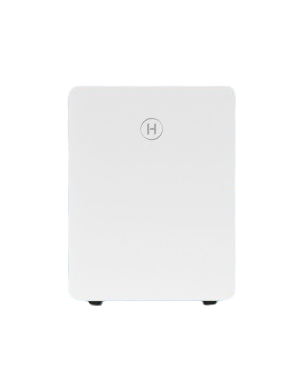
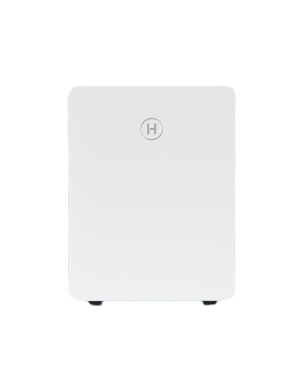
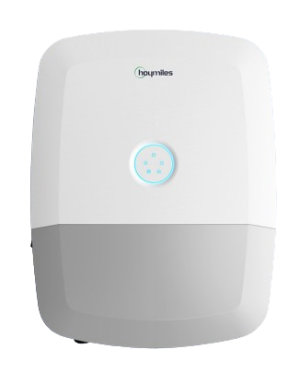
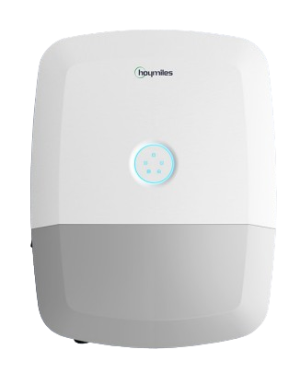
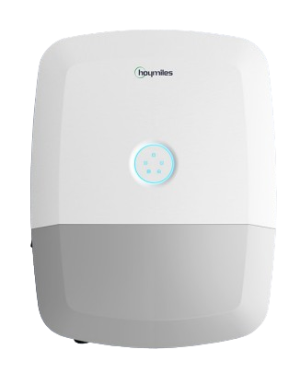
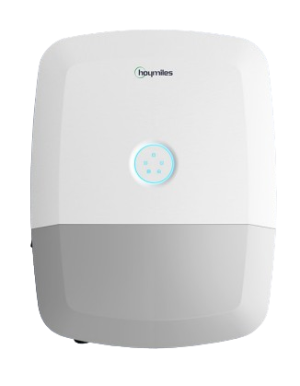
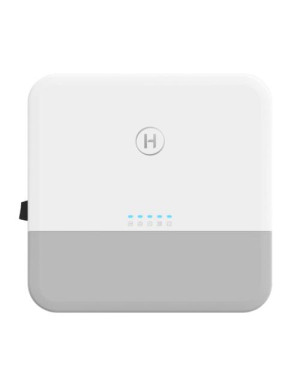
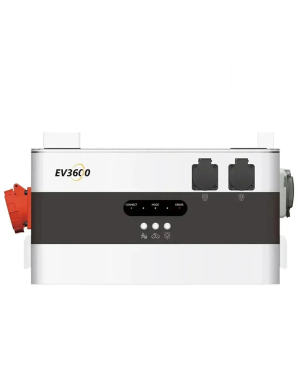
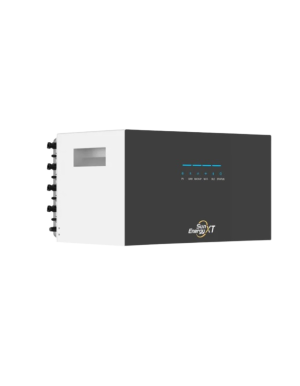
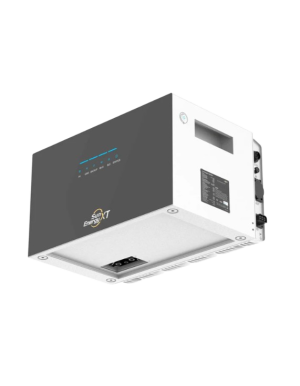
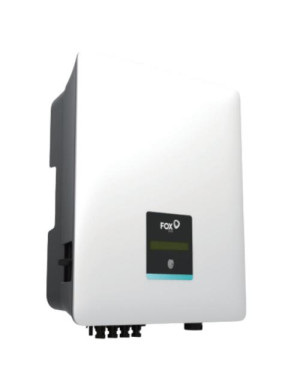
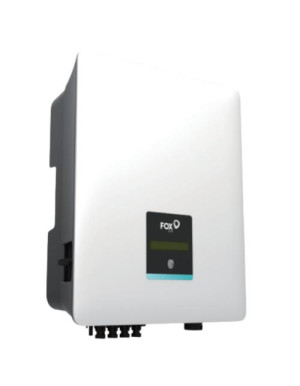
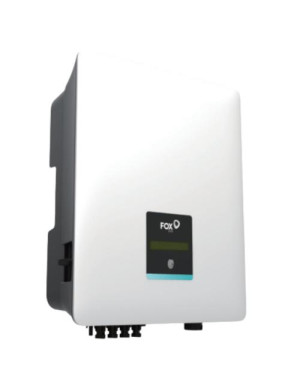
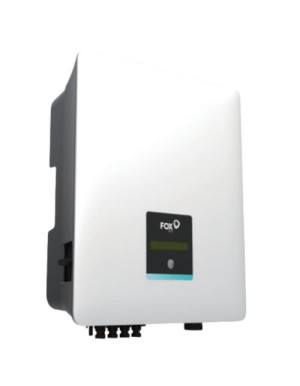
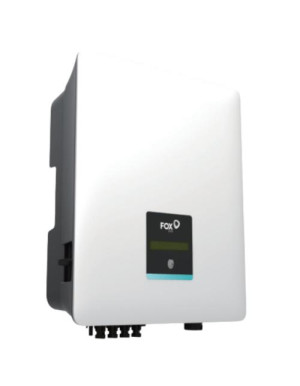
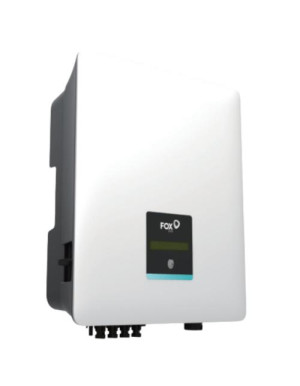
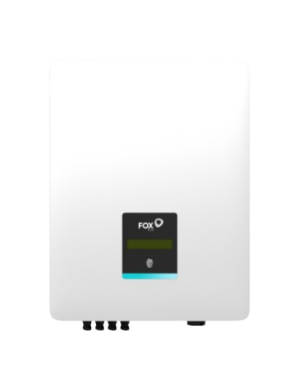
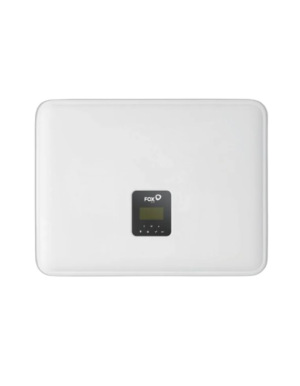
Technically, an inverter is a static power converter. Its primary job is to convert current, but the equipment available at Tienda Solar goes much further. Modern inverters act as smart energy managers:
Grid Synchronisation: In milliseconds, the inverter matches the waveform from your panels to that of the grid, so your consumption is seamless and uninterrupted.
MPPT (Maximum Power Point Tracking): This is the algorithm that "tracks" the maximum power point of your panels, adjusting the voltage to extract every last watt, even on cloudy days.
Active Safety: They include protection against arc faults and overvoltage, plus an "anti-islanding" system that stops exporting power if the grid goes down, protecting maintenance technicians.
To choose correctly, we first need to identify the nature of your project. At Tienda Solar we divide our range into four main families:
These are the most common in towns and cities. Their goal is direct savings. They usually do not use batteries (although many new models are already "battery ready").
Key strength: Simple installation and the fastest ROI (Return on Investment).
Leading brands: Fronius, SMA, Huawei.
The most versatile solution. They can manage panels, lithium batteries and the grid simultaneously.
Backup Function: If there is a power cut, the hybrid inverter switches to the batteries in less than 20 ms, keeping your home powered.
Leading brands: Deye, Huawei SUN2000, GoodWe, Solax.
Designed for locations without grid access. These units create their own AC grid from a battery bank (12V, 24V or 48V). Inverter-charger models also let you connect a petrol or diesel generator to charge the batteries in an emergency.
Leading brands: Victron Energy, Studer, Must.
Unlike string inverters, these are installed panel by panel.
Advantage: If one panel is shaded, the rest of the system keeps producing at 100%. Ideal for roofs with chimneys or shade from trees.
Leading brands: Enphase, APsystems.
For a professional design, at Tienda Solar we recommend paying attention to these parameters, which make the difference between a standard system and a high-performance one:
A common mistake is to think that a 5kW inverter can only take 5kW of panels. Most manufacturers allow oversizing of 30% to 50% (ratio 1.5). This means you can connect 7.5kWp of panels to a 5kW inverter to maximise production during low-irradiance hours (morning and evening).
With the arrival of high-power panels (550W+), current (amps) has increased. It is vital to check that the inverter supports 15A or 20A per input to avoid "clipping" and energy losses. In addition, having 2 or 3 MPPTs lets you place panels on different roof orientations (north, south, east) without them affecting each other.
Always look for units with an IP65 or IP66 rating. This guarantees the inverter is sealed and can be installed outdoors. However, remember: heat is the enemy of electronics. At Tienda Solar we always advise installing it in the shade to avoid derating (power reduction due to excessive temperature).
| Feature | Grid-Tie Inverter | Hybrid Inverter | Off-Grid Inverter | Microinverter |
| Battery Use | No (usually) | Yes (Lithium/Lead-acid) | Required | No (usually) |
| Power Cuts | Shuts down | Keeps running | Always running | Shuts down |
| Installation | Very Simple | Medium | Complex | Panel by Panel |
| Efficiency | 98%+ | 97%+ | 94%+ | 96%+ |
A modern inverter without connectivity is flying blind. At Tienda Solar, all our inverters include (or can be fitted with) WiFi/LAN/4G modules. Through apps such as FusionSolar (Huawei) or VRM Portal (Victron), you can see:
Daily, monthly and annual production.
Your home's actual consumption.
Battery state of charge (SoC).
Financial savings and CO2 emission reductions.
The average lifespan is 10 to 12 years. Microinverters can last up to 25 years. At Tienda Solar, we offer warranty extensions so your investment is protected throughout its entire payback period.
Some inverters use fans for cooling, which generates noise. If you are installing it near a bedroom, choose models with natural (passive) cooling, such as Huawei or Fronius Primo, which are virtually silent.
No. You must match your home's electrical supply type. A three-phase inverter will not work if it does not detect all three phases of the grid.
It is the most sensitive component. That is why, at Tienda Solar, we handle warranty claims directly with manufacturers to keep your system's downtime to a minimum.