Your cart
There are no more items in your cart
- New






![Pallet (31 Units) - Panel solar Leapton Mono 550W [S]](https://cdn.tienda-solar.es/6674-home_default/pallet-31-units-panel-solar-leapton-mono-550w-s-.jpg)


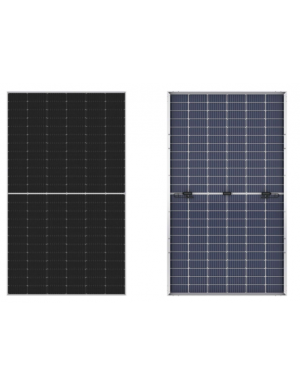


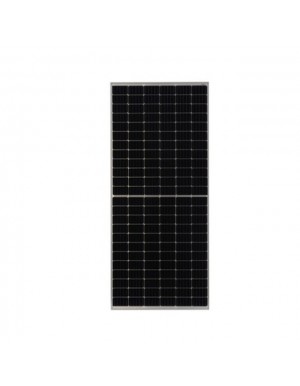
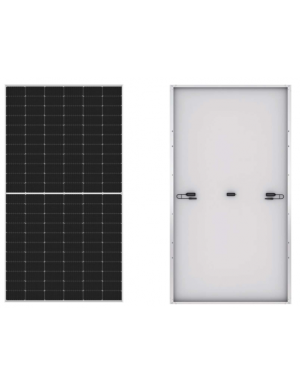


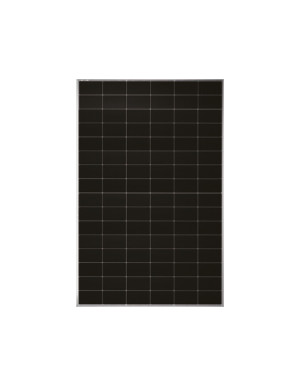
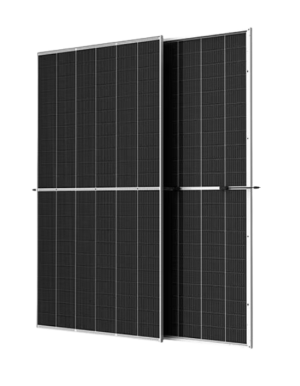
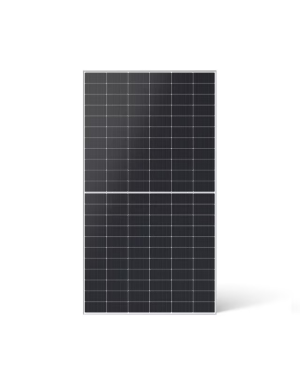
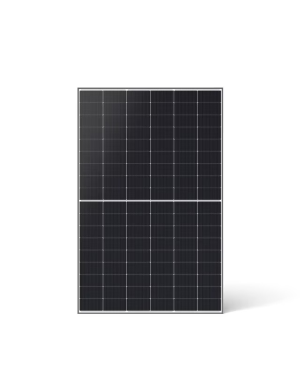
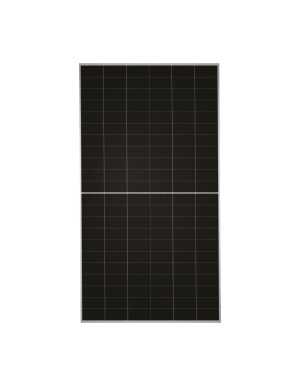
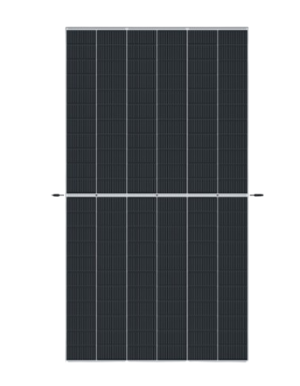
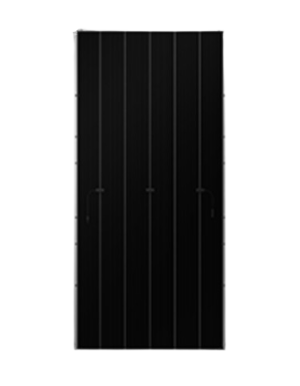
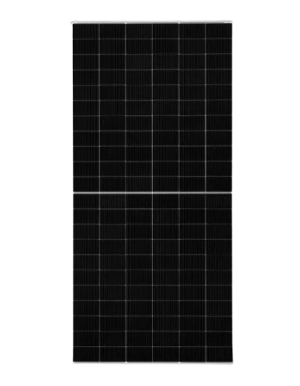
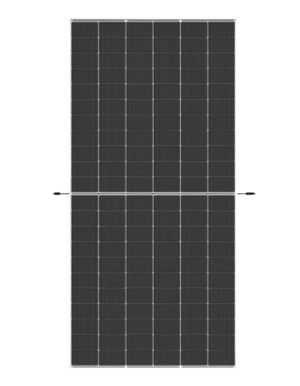
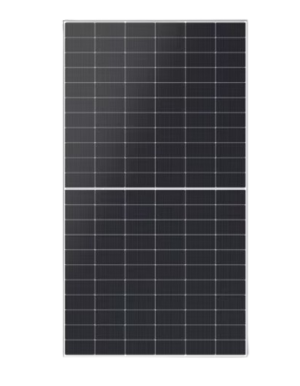
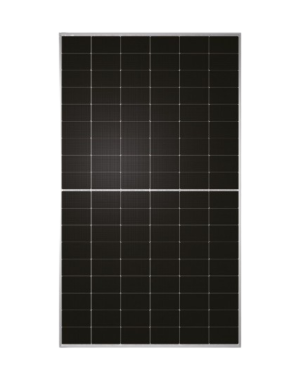
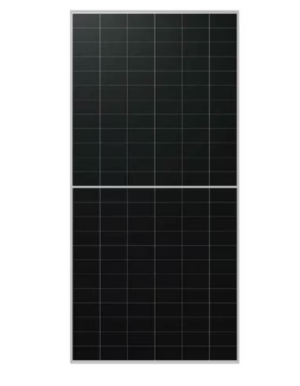
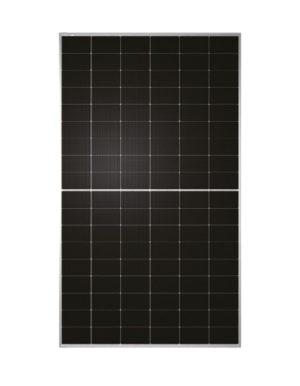
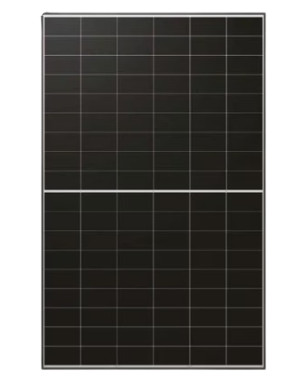
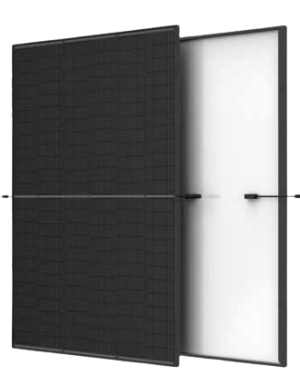
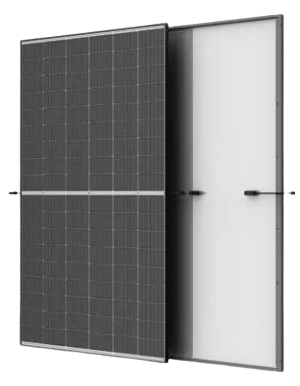
A solar panel, also known as a photovoltaic module, is a device composed of silicon cells that capture the energy of the photons from the sun and transform them into electrons, generating thus electric current. These devices are the fundamental piece of any system of own consumption, because they are constituted as a renewable energy source, clean and sustainable that not only reduces dependence on fossil fuels and contaminants, but increasingly accessible thanks to state Aid and European Ecological Transition Programs. The solar can be composed of different types of photovoltaic cells, which will determine your efficiency and the amount of energy they can produce.
On Tienda Solar, we select exclusively of first brands (Tier-1). What does this mean? That you acquire products with 100% automated manufacturing processes, maximum purity materials and a manufacturer's financial solvency that supports your guarantees for up to 30 years.
Take an eye on the ranking of the best 2026 Solar prepared by our experts by clicking here!
The operation of a solar plate it is a fascinating physical process. When the sun's rays affect the silicon cells (semiconductor material), the electrons are excited and they begin to move, generating an electric current in the form of dC current (CC).
For this energy to be useful in your home, you must travel through the wiring up to the inverter solar, the "brain" of the system, which transforms that current into aC current (CA), Allowing your appliances, lights and air conditioning systems to work with free and clean energy.
Once converted into alternating current, you can use it at the moment, dump surpluses to the electric grid and thus get discounts on your bills, or store the energy in batteries to be able to use it at any time. The most used for solar installations are generally the lithium batteries, due to its resistance and capacity
The technology has advanced by leaps and bounds. Nowadays, the choice of the panel depends on your budget and available space:
Monocrystallines (N-Type and PERC): They are the elite of the sector. Manufactured with a single silicon glass, they offer a photovoltaic efficiency greater than 22%. They are ideal for roofs with limited space because they generate more energy per square meter.
Topcon technology: It is the most recent innovation. These they have a much lower long-term degradation and exceptional performance on cloudy days or extreme heat.
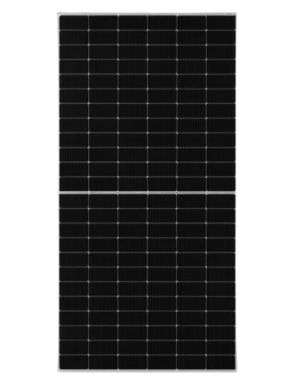
Half-Cell Technology (Cell heading): The panel is physically divided into two. This reduces the internal resistance and allows that, if a part of the panel receives shade, the other half continues to produce 100% energy.
according to voltage:
12V Solar Plates: Perfect for small installations, caravans or water pumping (30W to 200W powers).
24V Solar Plates: The standard for the residential self-consumption and Industrial (Powers of 400W to more than 600W).
The price of Solar Plates it has been democratized in the last decade. Currently, buy Tier-1 technology is an accessible investment with very fast returns (ROI from 4 to 6 years old).
| Range | Power | Estimated price | Ideal application |
| Economic range | 350W - 495W | € 70 - € 105 | Adjusted budgets, large surfaces. |
| High-end (Topcon) | 500W - 595W | € 80 - € 110 | High efficiency residential, maximum savings. |
| Bifacial / N-Type | + 600w | € 80 - € 227 | Solar orchards or structures with reflective floor. |
In turn, it is important to keep in mind that, on most occasions, the price of solar is not defined solely by the watts of this, but also by its measures, technical characteristics or aesthetic factors such as that they are solares designed for a perfect architectural integration.
Not to fail in your choice, consider these key points:
Roof space: If you have a few square meters, choose high power (+ 500W) and monocrystalline technology to maximize production.
Climate of your area: In areas with very high temperatures, look with a low temperature coefficient (such as N-Type), since they lose less efficiency with heat.
Annual consumption: Analyze your light invoice. A average home in Spain usually needs between 4 and 10 to cover 70-90% of your daytime consumption.
A solar plates installation successful requires technical precision. On Tienda Solar we always recommend:
Strategic orientation: In Spain, the orientation South it is the one that greater annual production generates. However, the East-West configurations are excellent for self-consumption distributed throughout the day.
Optimal inclination: To maximize the uptake, the inclination must be between the 30th and 35th.
Structures and ventilation: It is vital to leave an air chamber between the panel and the roof. Adequate ventilation can improve performance up to 5% in the summer months, avoiding silicon cells overheating.
To get the most out of your solar, it is not enough to have the best team; The geometry of the installation is fundamental. The golden rule is to seek perpendicularity with respect to sunlight. In the northern hemisphere, the optimal orientation is the south geographical. However, the tilt (The angle on the ground) varies significantly according to latitude.
To ensure that your system is efficient throughout the year, it is vital to have quality Structures and Supports they allow adjusting the correct angle according to your geographical location.
The latitude of your home dictates the ideal angle to capture as many solar radiation. As we moved to the north, the sun affects less height, requiring a more pronounced inclination. Here you have the recommended ranges to optimize the own consumption:
Do not worry if your deck does not have a perfect orientation to the south; This does not invalidate your project. In fact, the east-west orientation is a growing trend in the own consumption residential:
Maintenance is minimal but indispensable so as not to waste money. A dirty panel can produce up to 15% less.
Cleaning: We recommend laundering with water and neutral soap 2 times a year to eliminate dust, pollen and environmental dirt.
Visual inspection: After episodes of strong wind or hail, it is advisable to check the anchors of the structure and ensure that there are no "hot spots" or breakage in the glass.
Install solar energy it is the most powerful individual action to stop climate change. The impact is positive at multiple levels:
CO2 reduction: An average residential installation avoids the emission of approximately 1.5 tons of CO2 per year, the equivalent of planting 30 trees.
Return energy (EPBT): A solar panel takes only between 1 and 2 years to generate the same energy that was used to manufacture it. From there, it produces 100% clean energy for more than 3 decades.
Circular economy: The modern are recyclable by 95%. Glass, aluminum and silicon can be reused to manufacture new components, promoting a green and responsible industry.
If you want to compare photovoltaic plates as an expert, do not look just on the watts (W). These are the key parameters that define the true quality of the component:
The cost of photovoltaic energy has been drastically reduced, but current aids make the return of the investment (ROI) be more attractive than ever. Take advantage of these incentives:
We separate the reality of fiction so that installs with total tranquility:
Technical useful life exceeds 30 years. Power guarantees ensure that, after 25 years, your they will continue to surrendering at least 84.8% of their initial capacity.
Yes. The Tier-1 we distribute are certified to withstand large hail impacts (usually up to 25mm to 80km / h), thanks to its high security tempered glass.
If there are partial shadows (chimneys, trees), we recommend the use of with technology Half-cell o Installing power optimizers. This prevents the shadow from a panel to affect the performance of the entire series.
No. You can perform an installation of own consumption direct and pour the surplus to the network to receive compensation on your invoice. Batteries are ideal if you are looking to maximize your independence during the night.
5. Is paperwork very complicated to legalize installation?
No, it is a standardized process. Although there are several administrative procedures, in Tienda Solar we provide you with the necessary technical documentation (technical memory, certificates, etc.). In addition, more and more municipalities have simplified the Self-Consumption's work licenses, making the process fast and accessible.
6. How many do I need to cover my needs?
It depends on your annual consumption and the surface of your roof. An average home in Spain usually requires between 4 and 10 to cover much of your day demand. The ideal is to make apersonalized consumer study to calculate the exact power, avoiding installing more or less.
7. Can I install in any type of roof?
Yes. We have specific solar structures for each type of cover: tile roofs, metal covers (sandwich type), flat roofs or even soil structures. The key is to have the appropriate support to guarantee the tightness and safety of your roof.
8. How long will I recover my investment?
Thanks to direct savings on the bill of light and aid / bonuses (IBI, IGI, subsidies), the amortization period (ROI) is usually among the 4 and 6 years. Considering that the they have a lifespan of more than 30 years, you will enjoy more than two decades of practically free energy.
9. What happens with the energy that I have left over and not consumption?
That energy is poured into the electrical network. Your marketing will compensate those surpluses through a discount on your bill of light, which is known as surplus compensation. This is essential for the system to be profitable even in the months where they generate more than it consumes.