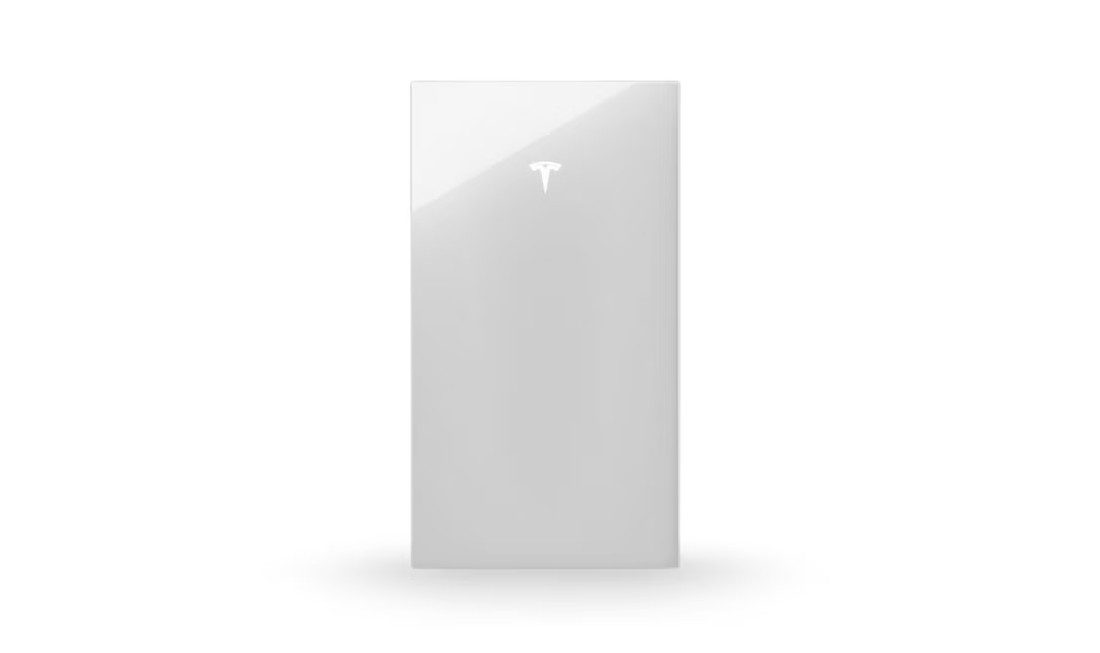
How can the Tesla Powerwall battery transform energy self-consumption in Spanish homes and businesses? The Powerwall lets you store solar energy and use it when you need it most, maximising savings and energy independence. Find out in this guide how it works, what it costs and whether it is really worth it for you.
The Tesla Powerwall battery is one of the most advanced solutions for storing solar energy in homes and businesses. It lets you store the energy generated during the day and use it at any time, maximising self-consumption and reducing your dependence on the grid. In this practical guide we look at its specifications, installation process, costs, return on investment and the regulatory framework in Spain. If you are looking for a reliable, efficient option for your PV system, you will find all the key information here.
Expert opinion:
“When we analyse the Tesla Powerwall 3, it is clear that this is not a conventional storage battery but a complete energy management solution. Its main market is users looking for the best long-term value for money through an all-in-one integration: by combining the solar inverter and battery in a single unit, it eliminates conversion inefficiencies and reaches 97.5% efficiency. This technical detail is crucial, as it optimises the system’s LCOE to the maximum. However, one factor users often forget is the “lock-in effect” and the rigidity of the system. The Powerwall requires certified installers and, although its software is very robust, its ecosystem is closed, which limits your freedom to choose multi-brand components in the future.
A decisive factor for your wallet is its full backup capability. Unlike other mid-range brands that need additional modules or external transfer switches to work during power cuts, the Powerwall 3 is designed to provide island mode with enough power to cover critical loads and the start-up peaks of motors or heat pumps. Even so, we need to be critical of its thermal management in extreme climates. Although it is certified for outdoor use, any battery suffers accelerated degradation if exposed to prolonged direct sunlight, which shortens its lifespan. My recommendation is to go for it if you prioritise reliability and a compact, attractive premium installation, provided your budget allows for a payback period of 6 to 10 years.”
What are the technical specifications of the Tesla Powerwall battery?
Before investing in an energy storage system, it is essential to understand its technical features. The Powerwall 3 is the latest generation of Tesla home batteries, designed to optimise self-consumption.
Powerwall 3 technical table
| Parameter | Powerwall 3 |
|---|---|
| Usable capacity | 13.5 kWh |
| Continuous power | 5 kW |
| Peak power | 7 kW |
| Efficiency (direct solar) | 97.5% |
| Operating temperature range | -20 °C to 50 °C |
| Connectable units | Up to 10 |
The Powerwall 3 storage battery includes an integrated solar inverter and is modular, making it suitable for medium and large homes as well as small businesses.
Scalability and modularity
The system allows you to connect up to 10 units, expanding capacity as needed. This flexibility is key in both residential and business projects.
Certifications and regulations
It complies with current safety regulations in Spain and can be installed both indoors and outdoors.
How is the Powerwall installed and what certifications does the installer need?
Installing a self-consumption battery requires planning and qualified professionals. Let’s look at the key steps and requirements.
Local requirements and permits
In Spain, installation must be carried out by certified installers accredited by the manufacturer or the competent authorities. Local regulations must be met and, in some cases, specific permits must be obtained depending on the power rating and location (see Royal Decree 244/2019).
Practical installation steps
- Preliminary assessment of consumption and compatibility.
- Application and management of municipal permits and notice of works.
- Preparation of the space for the battery (indoor or outdoor).
- Physical mounting of the energy storage unit.
- Electrical connection and integration with the solar installation.
- Operation and safety testing.
- Commissioning and setup of the Tesla app for monitoring.
Integration and monitoring
The Powerwall is managed through the Tesla app, which lets you monitor in real time production, consumption and battery status.
What is the total cost and expected return on investment?
Analysing the cost and return on investment is key to deciding whether a home storage system is profitable. Here is the updated data (2024).
Estimated cost breakdown
| Item | Approximate amount (€) |
|---|---|
| Powerwall 3 unit | 7,804 |
| Gateway | 1,392 |
| Delivery | 200 – 400 |
| Installation | 1,000 – 2,000 |
| Permits/paperwork | 200 – 500 |
| Estimated total | 10,596 – 12,096 |
*Prices include VAT and vary depending on the project and location.
ROI scenarios: residential, SME, industrial
| Scenario | Daily consumption (kWh) | Annual savings (€) | Estimated payback (years) |
|---|---|---|---|
| Small home | 8 | 700 | 13-15 |
| Medium home | 12 | 1,000 | 10-12 |
| Large home / SME | 20 | 1,600 | 7-9 |
*Example: a medium-sized home with solar self-consumption can pay back the investment in around 10-12 years, depending on usage and electricity prices.
How does the Powerwall compare with other batteries on the Spanish market?
The Spanish market offers several energy storage options. Comparing the data is essential to make an informed decision.
Comparison table: Powerwall vs alternatives
| Model | Capacity (kWh) | Power (kW) | Efficiency (%) | Approx. price (€) | Scalability |
|---|---|---|---|---|---|
| Powerwall 3 | 13.5 | 5/7 | 97.5 | 7,804 | Up to 10 |
| Powerwall 2 | 13.5 | 5/7 | 90-95 | 7,200 | Up to 10 |
| Competitor A* | 10 | 5 | 95 | 6,500 | Up to 8 |
| Competitor B* | 15 | 6 | 96 | 8,000 | Up to 12 |
*Indicative data for leading batteries in Spain. Always check up-to-date specifications and warranties.
Advantages and disadvantages
Advantages:
– High efficiency and capacity.
– Full integration with solar systems.
– Monitoring and control from the app.
– Modularity and scalability.
– Well-known brand and technical support.
Disadvantages:
– High upfront investment.
– Variable delivery times.
– Installation by certified technicians only.
– May require upgrades in older installations.
Alternatives and comparison
Other self-consumption batteries may have a lower upfront cost, but they often offer less integration, efficiency or support. The Powerwall stands out for its reliability and ease of use, especially in projects where monitoring and control are a priority.
What regulations and incentives affect energy storage in Spain?
Spain’s regulatory framework has evolved to encourage self-consumption and home energy storage.
Current legislation
- Royal Decree 244/2019: Regulates self-consumption and abolishes the so-called “sun tax”. It makes it easier to add batteries to solar installations.
- New decrees: They reinforce the importance of batteries for the stability of the electricity system and require large installations to be connected to control centres.
Incentives and grants
There are regional and national grants for installing storage systems, especially when combined with solar panels. Check local calls for applications to maximise your savings.
Is it worth installing a Powerwall in my home or business?
The decision depends on your consumption profile, budget and energy independence goals.
Real cases and ROI
- Medium-sized home (Madrid): Powerwall 3 and 5 kWp of solar installed. Annual savings: €1,100. Payback: 10 years.
- SME (Seville): 2 Powerwall 3 units, 15 kWp of solar. Annual savings: €3,200. Payback: 8 years.
Key data summary
| Data | Main value |
|---|---|
| Powerwall 3 capacity | 13.5 kWh |
| Continuous/peak power | 5 kW / 7 kW |
| Efficiency | 97.5% |
| Unit price | €7,804 |
| Recommended installer | Manufacturer-certified |
| Estimated payback | 7-12 years |
The Powerwall is a safe bet if you are looking for reliability, efficiency and full control over your energy.
Make the move to smart self-consumption
Ready to optimise your consumption and save on your electricity bill? Request your personalised quote from Tienda Solar in just three steps:
1. Contact us and tell us about your project.
2. Get a technical visit and tailored advice.
3. Receive your final quote and start saving from day one.
Frequently asked questions
What is the capacity of the Tesla Powerwall battery?
The Powerwall 3 has 13.5 kWh of usable capacity and delivers approximately 5 kW of continuous power and up to 7 kW at peak.
Can the Powerwall be installed outdoors?
Yes, the Powerwall is designed for both indoor and outdoor installation, with an approximate operating range of -20 °C to 50 °C.
How many units can be connected?
Up to 10 units can be connected to increase the system’s capacity.
What permits are required in Spain?
It depends on the municipality and the power rating; you need to notify the works and, in some cases, apply for grid connection access.
Does the price include installation?
The product prices shown do not usually include delivery or installation; these costs should always be added to the final estimate.
How is the Powerwall monitored?
It is monitored and managed through the Tesla app, which shows production, consumption and battery status in real time.
Sources
- tesla.com
- holaluz.com
- eave.es
- voltaic.es
- elconfidencial.com
- redway-tech.com
- elalmacenfotovoltaico.com
- energynews.es
- esr.solar
- sumsol.com

Pol Parareda Farriol es ingeniero industrial y MBA, con más de 15 años de experiencia internacional en el sector de la energía solar fotovoltaica y las energías renovables. Actualmente Director en Tienda Solar, trabaja en el desarrollo y gestión de soluciones de autoconsumo, sistemas fotovoltaicos y almacenamiento con baterías para el mercado residencial y profesional.
A lo largo de su carrera ha ocupado puestos de responsabilidad en empresas líderes del sector como Weidmüller, SunPower, Sunco Capital y Hilti, desempeñando funciones en ingeniería, desarrollo de producto, operaciones, O&M, gestión comercial y dirección estratégica de proyectos solares, tanto a pequeña escala como en grandes plantas fotovoltaicas internacionales.
Ha liderado proyectos y equipos en Europa, Latinoamérica y Asia, participando en el desarrollo de más de cientos de MW en proyectos solares, negociación de PPAs, estrategias EPC y optimización de sistemas fotovoltaicos. Además, ha sido docente de energía solar fotovoltaica en programas de máster en energías renovables en instituciones como la Universidad Carlos III de Madrid